








This is the time to know Monkeypox (Mpox): Understanding Symptoms, Transmission, Treatment, and Prevention. Monkeypox, also known as Mpox, is a viral illness caused by the monkeypox virus, part of the Orthopoxvirus genus. This genus also includes viruses responsible for smallpox and cowpox. Previously rare and mainly confined to Central and West Africa, monkeypox spread globally in 2022-2023, affecting over 120 countries. Here’s what you need to know about this emerging health concern, from symptoms and transmission to treatment and prevention.
What is Monkeypox?
Monkeypox (Mpox) is an infectious disease primarily recognized by a painful rash. This rash can appear on various body parts, including the face, palms, soles of the feet, genitals, and throat. Additional symptoms often include:
- Fever
- Swollen lymph nodes
- Headache
- Back pain
- Muscle aches
- Fatigue
The illness usually lasts 2-4 weeks, though it may persist longer in individuals with compromised immune systems. Severe cases can lead to complications, such as skin infections, pneumonia, or encephalitis.
Virus Classification
The monkeypox virus belongs to the Poxviridae family and includes two clades:
- Clade I (subclades Ia and Ib)
- Clade II (subclades IIa and IIb)
The global outbreak in 2022 was driven by Clade IIb, while Clades Ia and Ib have been linked to recent cases in Africa, particularly in the Democratic Republic of the Congo (DRC).
How is Monkeypox Transmitted?
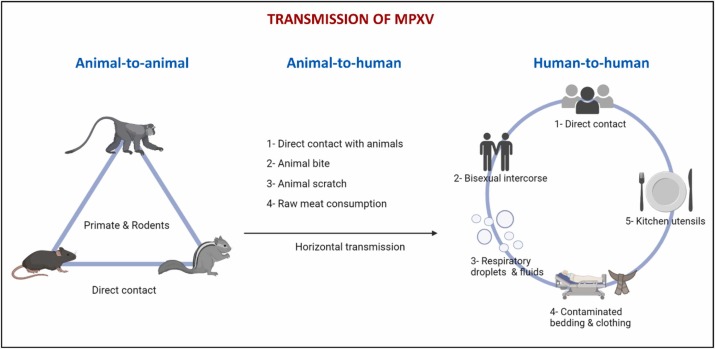

Monkeypox primarily spreads through close contact with an infected person, including:
- Skin-to-skin contact
- Touching contaminated objects (e.g., clothing)
- Respiratory droplets from prolonged face-to-face interactions
Key Risk Factors:
- Sexual contact, particularly with multiple partners, is a major risk in recent outbreaks.
- Animal-to-human transmission can occur, as infected animals like squirrels or monkeys spread the virus through bites, scratches, or bodily fluids.
During pregnancy, an infected parent can pass the virus to the fetus, potentially resulting in severe complications.
Signs and Symptoms of Monkeypox
Monkeypox symptoms generally appear within 1-3 weeks of exposure and can last 2-4 weeks. Key symptoms include:
- Rash (progresses from flat sores to raised, fluid-filled blisters)
- Fever
- Sore throat
- Headache
- Muscle aches
- Back pain
- Fatigue
- Swollen lymph nodes
The rash begins a few days after fever onset, often spreading across the body. Over time, blisters dry out, crust over, and eventually fall off.
Complications
In severe cases, monkeypox can lead to bacterial skin infections, pneumonia, corneal infections, and, rarely, sepsis or encephalitis.
Diagnosing and Treating Monkeypox
Diagnosis
The most reliable diagnostic test is Polymerase Chain Reaction (PCR), which identifies viral DNA from samples taken from lesions. Individuals remain contagious until all sores have healed and new skin has formed.
Treatment Options
Currently, there is no specific antiviral treatment for monkeypox. Supportive care is essential, including pain management, hydration, and fever reduction. Certain antivirals are under clinical evaluation, and some have emergency use authorization in select countries.
Vaccination and Prevention
Vaccination is crucial for monkeypox prevention. Smallpox vaccines offer protection and are recommended for:
- Health workers
- People with multiple sexual partners
- Those in close contact with an infected person
Post-exposure vaccination is available, ideally administered within four days of exposure to reduce illness severity.
Self-Care and Safety Measures
Monkeypox is typically a self-limiting illness, but proper self-care can aid recovery and prevent transmission. If you have monkeypox:
- Isolate in a well-ventilated room.
- Cover lesions and wear a mask around others.
- Wash hands frequently and avoid touching shared items.
Tips for Symptom Relief
- Use saltwater rinses for mouth sores.
- Take warm baths with baking soda or Epsom salts.
- For pain, use over-the-counter medications like acetaminophen or ibuprofen.
Avoid:
- Sexual activity until fully recovered; consider using condoms up to 12 weeks post-recovery.
- Popping blisters or scratching sores, which can delay healing and spread the virus.
- Shaving sore areas until healed, as this may spread the rash.
Conclusion
Monkeypox remains a global health concern, especially among vulnerable populations. By staying informed, practicing preventive measures, and supporting timely diagnosis and care, communities can minimize the spread and impact of this disease.


